Am Freitag, den 3. Mai 2019, findet die Preisverleihung der 5. German Stevie® Awards im Münchener Luxushotel Vier Jahreszeiten Kempinski statt. Zahlreiche Top-Manager aus ganz Deutschland werden dabei sein und ihre Preise live auf der Bühne entgegennehmen.
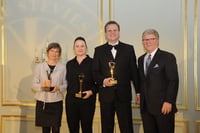 Denn nach dem Cocktailempfang und einem edlen Dinner werden den diesjährigen Preisträgern ihre Stevie Trophäen in Gold, Silber und Bronze auf der Bühne des Großen Ballsaals durch Stevie Awards Präsident Michael Gallagher persönlich überreicht.
Eine Übersicht über alle Preisträger der German Stevie Awards 2019 nach Kategorien finden Sie hier.
Während die Preisträger der Auszeichnungen in Gold, Silber und Bronze bereits feststehen, werden an dem Abend der Preisverleihung zusätzlich die Gewinner der beiden Grand Stevie Awards bekanntgegeben. Über die Ehrenauszeichnung dürfen sich das Unternehmen mit der insgesamt am höchsten bewerteten Nominierung des Wettbewerbs sowie das Unternehmen mit den insgesamt meisten Awardspunkten freuen.
Während der Ticketverkauf für die Preisverleihung noch in vollem Gange ist, haben diese Unternehmen ihr Kommen bereits zugesagt:
- A&B One Kommunikationsagentur GmbH, Berlin
- Academy for Top Business Speaking, Obersasbach
- Annekatrin-Buhl – Die Employer-Branding-Beraterin, Berlin
- artegic AG, Bonn
- Arts & Others Communication GmbH, Bad Homburg
- ASISTA Teile fürs Rad GmbH & Co. KG, Leutkirch
- Autoactiva Werbeagentur GmbH, Hanau
- Avanga Filmproduktion GmbH & Co. KG, Dresden
- Bankhaus August Lenz & Co. AG, München
- BlaBlaCar Deutschland, Hamburg
- Blacklane GmbH, Berlin
- BLUE MOON Communication Consultants GmbH, Neuss
- Bubblebridge interactive GmbH, München
- Burson Cohn & Wolfe (BCW), Hamburg
- CB Praxisberatung, Heidelberg
- Communication Consultants GmbH Engel & Heinz , Stuttgart
- CROWDCONSULTANTS 360 GmbH, Berlin
- Deutsche Bahn AG, Frankfurt
- Deutsche Telekom Services Europe GmbH, Köln
- Detecon Innovation Institute, New York
- DHL Express Customer Service GmbH, Monheim am Rhein
- Dierig Holding AG, Augsburg
- diva-e Digital Value Excellence GmbH, München
- DRACOON GmbH, Regensburg
- Dresden Marketing GmbH, Dresden
- Eskimos mit Kühlschränken, Hamburg
- Fauth Gundlach & Hübl GmbH, Wiesbaden
- Fidor Bank, München
- Fresenius und Arts & Others Communication, Bad Homburg
- gravity & storm GmbH, Berlin
- Havana Orange GmbH, München
- Isensee Film GmbH, Freiburg
- JAMIT LABS GmbH, Karlsruhe
- Ketchum Pleon GmbH, Dresden
- KÖNIGSKLASSE#1, München
- Link4Media, Urbar
- MAN Truck & Bus AG, München
- Marketing Consultancy GmbH, Wiesbaden
- Merck KGaA, Darmstadt
- MMK - Messmer & Meyer, Agentur für Kommunikation GmbH, München
- noris network AG, München
- NOVENTI HealthCare GmbH, München
- operational services GmbH & Co. KG, Frankfurt am Main
- Panda Pictures GmbH, München
- passcon GmbH, Hamburg
- Payolution GmbH, München
- Pfeiffer Medienfabrik GmbH & Co. KG, Hersbruck
- promio.net GmbH, Bonn
- prudsys AG, Chemnitz
- queo GmbH, Dresden
- Ruptly GmbH, Berlin
- Sarah N. Will und Dennis M. Will Immobilien GbR, Neustadt
- Schwartz Public Relations, München
- Sykes Global Services, Ltd, Bochum
- Telefónica Germany GmbH & Co. OHG, München
- The Embassy GmbH, München
- Thycotic, Washington, DC
- twosyde media GmbH, Leipzig
- Uniplan GmbH & Co.KG, Köln
- Unternehmen Gelbe Seiten Marketing Gesellschaft, Frankfurt am Main
- Vollblutwerber GmbH, Lahr
- W & S Agentur für Werbung und Produktion GmbH, Seeheim-Jugenheim
- wbpr Kommunikation, Unterföring
- Web Shield Services GmbH, Leipzig
- Werner Schmid GmbH, Fulda
- Würth Group, Künzelsau
- Z I B - Zurück in den Beruf, Brandenburg an der Havel
Vor und nach der Preisverleihung haben die Teilnehmer die Möglichkeit sich in geselliger Atmosphäre untereinander auszutauschen und zu netzwerken, Fotos im Red Carpet Bereich zu machen sowie Videostatements zu ihrem Gewinn aufzunehmen.




 Viel Erfahrung in Sachen German Stevie Awards bringt Margrit Schumacher mit, die Juryvorsitzende in der Kategorie „Unternehmenskommunikation, Marketing & Kreative“. Bereits zwei von ihr begleitete Kampagnen wurden mit dem Gold Stevie Award ausgezeichnet: 2017 die „Marketing-Kampagne des Jahres – Finanzprodukte & Finanzdienstleistungen und Finanz-Karten“ sowie 2018 die „Marketing-Kampagne des Jahres – Finanz-Karten“ - jeweils für den Kunden American Express.
 Die Jury in der Kategorie „Unternehmen/Organisationen & Kundenservice/Support“ leitet Carolin Buchardt, CEO und Founder der
  Vorsitzende der Jury in der Kategorie „HR & Management“ ist Julia Münster, Chief Human Resources Officer bei der
  In der Wettbewerbskategorie „Neue Produkte & IT“ ist Marc-Oliver Link der Juryvorsitzende. Der Diplom-Ingenieur (FH) ist Head of Software Development bei der
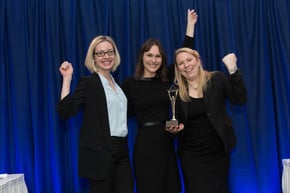 50 executives from all over Germany were named as a part of the expert judging panel who determined the Stevie Award winners. They have reviewed over 400 nominations, selected the most innovative solutions, organizations, and individuals, and finally crowned the winners of the Gold, Silver, and Bronze Stevie Awards.
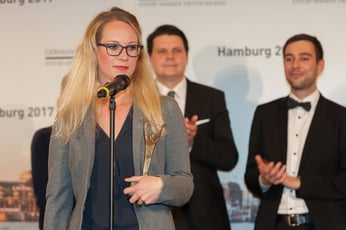 The special feature of the Stevie Awards: “They are not just another industry award for the big players,” says Michael Gallagher, president and founder of the Stevie Awards. “Certainly, many of the world’s largest and best known companies are among our winners. But most winners of the Stevie Awards are small and medium-sized companies that are still growing and are still building their brands.”
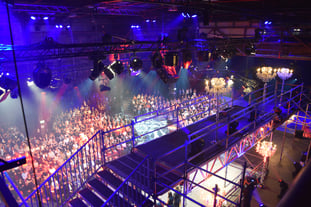 That was when the idea was born to revive the venue, formerly dubbed ‘Phoenix-Halle’, and transform it into ‘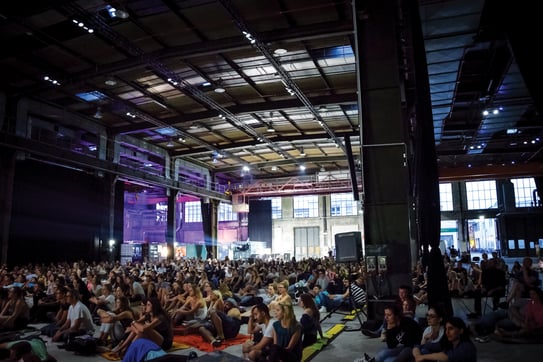
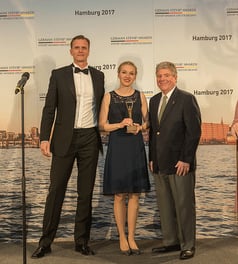 It is much more likely, however, that Fauth Gundlach & Hübl impressed its customer, Deutsche Golf Sport GmbH, a subsidiary of the German Golf Association (DGV), with its core competency. Managing Director Lars Hübl explains: “We identify the subject matter and create suitable content for it, so that our customers can effectively communicate to their specific target groups. We provide consultation, bring ideas to life and implement them, and offer continuous support for communication-related questions. In doing so, we cover six competency fields: public relations, social media, content marketing, sponsoring communication, CSR communication and brand communication.” Among Fauth Gundlach & Hübl’s customers are international companies from various industries, companies from the Rhein-Main region and sports organizations.
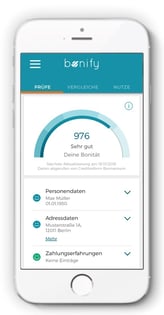 “Surprisingly, few people know what credit means at all, when it’s relevant and what impact it has on everyday decisions. With our lively international team of 33 people, the financial world will be revolutionized. We not only offer free credit checks and clarify your credit ratings, but also exciting financial management tools to optimize your finances.”