The COVID-19 pandemic has altered the ways we think about our routine habits and work environments, among other lifestyle practices. For businesses large and small around the world, the importance of putting people over profits has heightened. The mission of the Stevie Awards is to honor and generate public recognition of the achievements and positive contributions of organizations and working professionals worldwide.
We’d like to recognize some of the ways that Stevie Awards for Women in Business winners and 2019 Women|Future Conference attendees have pivoted their services, products and strategies to help individuals, businesses and communities impacted by the virus.
While thousands of Stevie Award winners are doing incredible work in their fields during this time, here are six that make the top of our list:
1. Arco + Associates, St. Louis, MO

Andrea Arco is the founder and CEO of Arco + Associates, LLC, a marketing communications firm based in St. Louis, MO that serves clients nationwide. Her company is a 2019 Silver Stevie® Award for Women in Business winner in the Women-Run Workplace of the Year category. Andrea also served as a panelist during the 2019 Women|Future Conference Panel – “The Significance and Simplification of Being Strategic.” Since March 2020, the Arco team has been offering an incredible value of free 30-minute virtual consultations to any business executives and owners looking for strategic marketing advice during this time. The sessions cover everything from messaging to clients, talking through fears, remote working strategies, bounce back marketing strategies, and more. Learn more about the Arco + Associates COVID-19 response here.
2. ScriptDrop, Columbus, OH

ScriptDrop is a nationwide prescription delivery startup. The company’s president Amanda Way is a Silver Stevie® winner for the Women in Business Awards category Female Entrepreneur of the Year – Business Services. ScriptDrop has recently switched from solely a business-to-business model to a consumer-facing one. Its prescription delivery service is making a difference in the lives of all patients who are sheltering at home without a way of getting required medications by enabling pharmacies to deliver directly to customers’ homes. ScriptDrop Founder Nicholas Potts explained this shift during this April 21st interview with Fortune: “The coronavirus pandemic has meant a sevenfold increase in order volumes—and the execution of a multiyear business plan in just six weeks.” Learn more.
3. Jeunesse Global, Lake Mary, FL
.jpg?width=208&name=unnamed%20(1).jpg)
Jeunesse Global is a global direct selling company with a mission to impact the world by helping people look and feel young, while empowering each other to unleash their potential. The company’s exclusive skin care and nutritional products are available in more than 145 countries around the world. Jeunesse Founder and Chief Operations Officer Wendy Lewis is a Gold Stevie winner for Female Entrepreneur of the Year – Business Products. Jeunesse has added new products to its Youth Enhancement skincare line in response to COVID-19. The newest addition is the AlōClnz Hand Sanitizer single use packets. Jeunesse also recently donated $500,000 USD to COVID-19 Solidarity Response Fund. Learn more.
4. Income Access (a Paysafe Company), Montreal, Quebec (Headquartered)

Income Access is an affiliate software provider, digital marketing agency and affiliate network that serves the iGaming, lottery and forex industries. The company received a 2019 Bronze Stevie Award for Women in Business in the Women-Run Workplace of the Year category. During the COVID-19 outbreak, Income Access key leaders have been hosting webinars about how to create a contingency plan and maintain affiliate marketing business during trying times. Income Access SVP and General Manager, Tara Wilson recently spoke on the April 22, 2020 free webinar Business as Unusual. Making Remote Work 'Work' about keeping teams productive and connected from a distance. Tara Wilson was a Moderator on the 2019 Women|Future Conference panel “The Art of Inclusion: How to Craft Your Company's Diversity Mosaic” and is currently serving on the 2020 Women|Future Conference Advisory Board.
In addition, Paysafe has been providing solutions for small business that want to pivot their model to include an online scheduling or order ahead service using POS systems. For businesses not currently operating a sophisticated POS system, Paysafe works with their payment services provider to launch lightweight solutions such as Clover Go or Clover Flex.
5. TriageLogic Group, Jacksonville, FL

Triagelogic is a URAC-accredited physician-led company that offers leading-edge solutions for patient care management including emergency healthcare solutions that can be implemented quickly for remote monitoring. Dr. Charu Raheja is the co-founder and CEO of the TriageLogic. She and her team are working tirelessly to help as many healthcare organizations as possible during this crisis. TriageLogic is offering free COVID-19 Protocols to doctor’s offices and hospitals to efficiently triage those who may have been exposed or who are concerned about the virus. The company CTO spoke on live TV network News4Jax to explain the do's and don'ts of wearing a protective face mask. If you need help setting up a #COVID-19 hotline, contact info@triagelogic.com or call (855) 734-4463.
TriageLogic Group and Dr. Charu Raheja are 2018 Stevie® Awards For Women in Business winners. TriageLogic is a Silver Stevie® Award winner in the Company/Organization Awards category, and Charu is a Gold Stevie® Award winner in the Individual Awards category for Women in Business. Dr. Charu Raheja was a breakout session speaker at the 2019 Women|Future Conference; her session was titled “Finding Your True Self and Meaningful Support at Work.”
6. Noonday Collection, Austin, TX

Noonday Collection designs and sells jewelry and accessories made by Artisans in some of the world's most vulnerable communities. The company partners with Artisan Businesses through fair trade, empowering them to grow sustainably and to create dignified jobs for people who need them. Noonday announced on April 21, 2020 that they are partnering with @nokidhungry to help end childhood hunger. In a time when schools have closed their doors, kids in need have missed millions of school meals that their families rely on. They are also running contests on social media to nominate healthcare workers to receive healthcare packages and work appropriate Noonday accessories. Noonday Founder and Co-CEO Jessica Honegger is a 2019 Gold Stevie® Awards for Women in Business winner in the category Female Entrepreneur of the Year- Business Products.
About the Stevie Awards for Women in Business
The Stevie Awards for Women in Business are the world’s premier business awards for female entrepreneurs, executives, employees, and the organizations they run. All organizations and individuals worldwide are eligible to submit entries to the competition. The awards feature categories to recognize achievement in many facets of work life, including:
- Entrepreneur Awards
- Executive Awards
- Achievement Awards
- Management Team Awards
- Company of the Year Awards
- Communications & Marketing Awards
- PR Awards
- Media Awards
- New Product & Service Awards
- Website & App Awards
- And More
More than 200 professionals around the world will participate in the judging process, and entrants have access to all of the judges’ comments and suggestions about their entries; an invaluable resource! Finalists are announced in early October 2020, and the Gold, Silver and Bronze Stevie winners will be revealed during the Las Vegas award ceremony on November 13, in conjunction with the 2020 Women|Future Conference.
Interested in nominating your business in the 2020 Stevie Awards for Women in Business?

About the Women|Future Conference
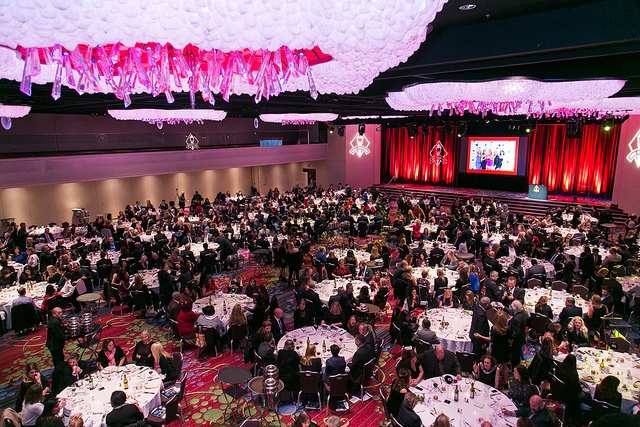
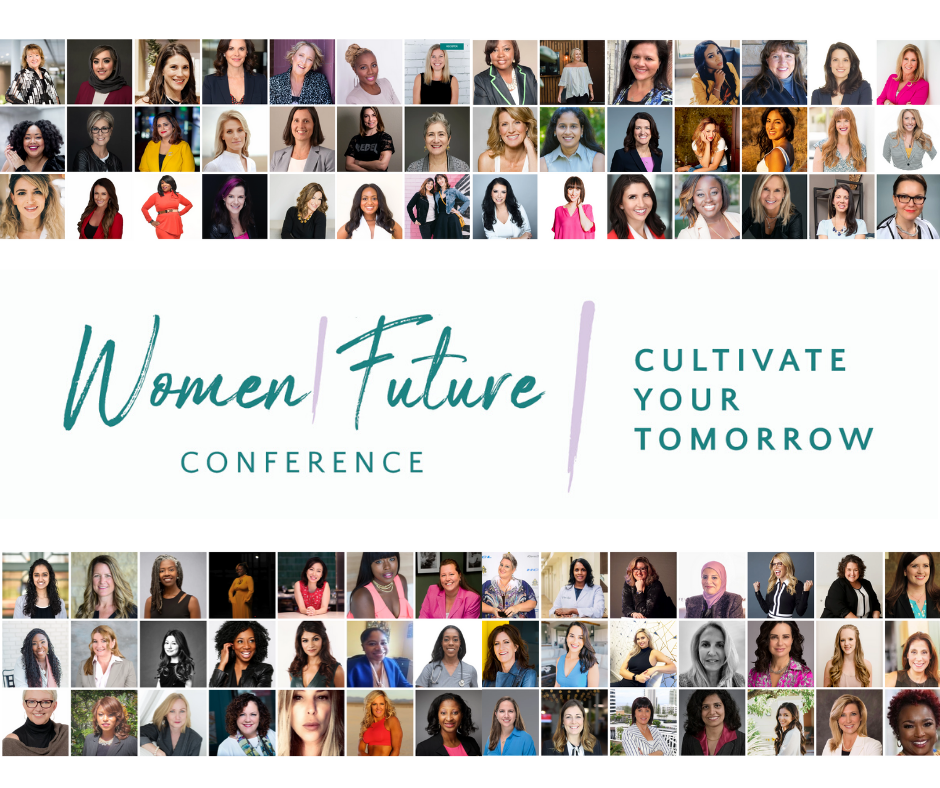
This two-day conference for women encourages engaging connections, professional and personal development, and health and financial wellness through motivational keynotes, educational sessions, and networking. The mission of the Women|Future Conference is to help women share insights about the changes that will impact their businesses, their industries, their careers, and their lives.
Speakers and topics address the latest innovations and impending change in areas such as technology, sustainability, career planning, social media, government regulation, access to capital, and more. With panel discussions, a must-see keynote, plenty of networking opportunities, case studies from Stevie® winners, and a showcase of young women-owned businesses, this is an event you don’t want to miss! Learn more.
Registration is open for the 2020 Women|Future Conference, November 12-13 at Caesars Palace in Las Vegas.


 It is no secret that women are






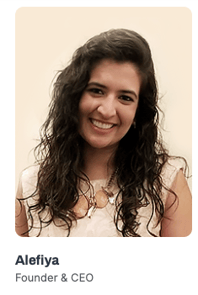 Alefiya Master is the founder and CEO of MAD-learn. Her educational background and professional experience motivated her to start the company.